
BLOG
Why Proper Concrete Preparation Matters Before Epoxy Flooring Installation in Mornington and Frankston Properties
Why Coastal Properties Often Have More Concrete Issues
Properties located near Port Phillip Bay are exposed to environmental conditions that affect concrete differently compared to inland suburbs. Moisture levels in the air are generally higher, and garages or outdoor areas may experience regular dampness due to coastal weather conditions.
Salt carried through the air can also contribute to long-term surface deterioration, particularly on older slabs that have remained unsealed for extended periods. In Frankston and Mornington, many homes include garages, patios, and outdoor entertaining areas where concrete surfaces have been exposed to years of weather, vehicle use, and moisture movement.
Older homes in these areas may also have concrete slabs installed before modern moisture barrier standards became common. This can allow moisture vapour to move upward through the slab, creating problems for epoxy adhesion if not properly assessed before installation.
Moisture-related flooring failures often appear as bubbling, peeling, or lifting coatings.
Surface Grinding Creates Proper Adhesion
Concrete grinding is one of the most important preparation methods used before epoxy flooring installation. Grinding removes contamination from the slab surface while creating a roughened profile that allows the coating to bond correctly to the concrete.
Many garage floors contain oil stains, tyre residue, old paint, or surface sealers that prevent epoxy from adhering properly. Even newly poured slabs can contain curing compounds or surface laitance that interfere with bonding.
In older commercial properties around Frankston and Mornington, previous floor coverings may leave behind adhesive residue that also requires removal. Glue removal is often necessary before coatings can be installed successfully.
Grinding also helps expose weak or damaged areas within the slab that may need repair before the flooring system is applied. If these areas are not identified early, cracking or coating separation can develop later.
Acid washing alone is generally not enough preparation for most epoxy flooring systems. Mechanical grinding provides a more reliable surface profile for long-term adhesion.
Moisture Testing Before Epoxy Installation
Moisture is one of the biggest causes of epoxy coating failure in coastal areas. Concrete naturally absorbs and releases moisture over time, particularly in garages, ground floors, and slabs exposed to changing humidity levels.
If excessive moisture vapour is trapped beneath an epoxy coating, pressure can build underneath the surface after installation. This often results in bubbling, blistering, or delamination of the coating.
Moisture testing helps determine whether the slab is suitable for coating or if additional moisture mitigation steps may be required first.
This becomes particularly important in older Mornington Peninsula properties, where slab construction methods and drainage conditions can vary significantly. Some garages may also have poor ventilation, increasing moisture retention inside enclosed spaces.
Outdoor concrete areas exposed to regular rainfall or irrigation can present similar issues if coatings are installed without allowing sufficient drying time beforehand.
Cracks, Uneven Concrete, and Surface Repairs
Many older garages and commercial floors throughout Frankston and Mornington contain cracks, uneven patches, or deteriorated concrete caused by long-term wear and movement within the slab.
Small shrinkage cracks are common in older concrete surfaces and may require filling before coatings are applied. Larger structural cracks may indicate movement within the slab itself and need further assessment before flooring installation begins.
Uneven concrete can also affect the appearance and performance of epoxy systems. Grinding helps smooth high spots while allowing damaged areas to be identified and repaired before coating application.
In some garages, sections of the slab may have become soft or weakened from years of moisture exposure or chemical staining. These sections may require patching or resurfacing to create a stable base for the flooring system.
Skipping these repairs can reduce the lifespan of the finished floor.
Preparation Often Determines Long Term Performance
The condition of the concrete underneath the coating has a major impact on how epoxy flooring performs over time. A properly prepared slab allows the coating to bond consistently, resist wear, and maintain its finish under regular use.
In coastal suburbs such as Mornington and Frankston, preparation becomes even more important because moisture exposure and environmental conditions place additional stress on concrete surfaces.
Garage floors, workshops, patios, and commercial spaces all experience different types of traffic and wear. The preparation process needs to match the condition of the slab and the intended use of the space rather than following a single approach for every property.
Most long-term flooring problems begin beneath the surface. Proper grinding, moisture assessment, crack repair, and concrete preparation help reduce the risk of coating failure and improve the durability of the finished floor.
DISCOVER WHAT OUR CUSTOMERS HAVE TO SAY ABOUT US
REVIEWS
REVIEW US ON GOOGLE
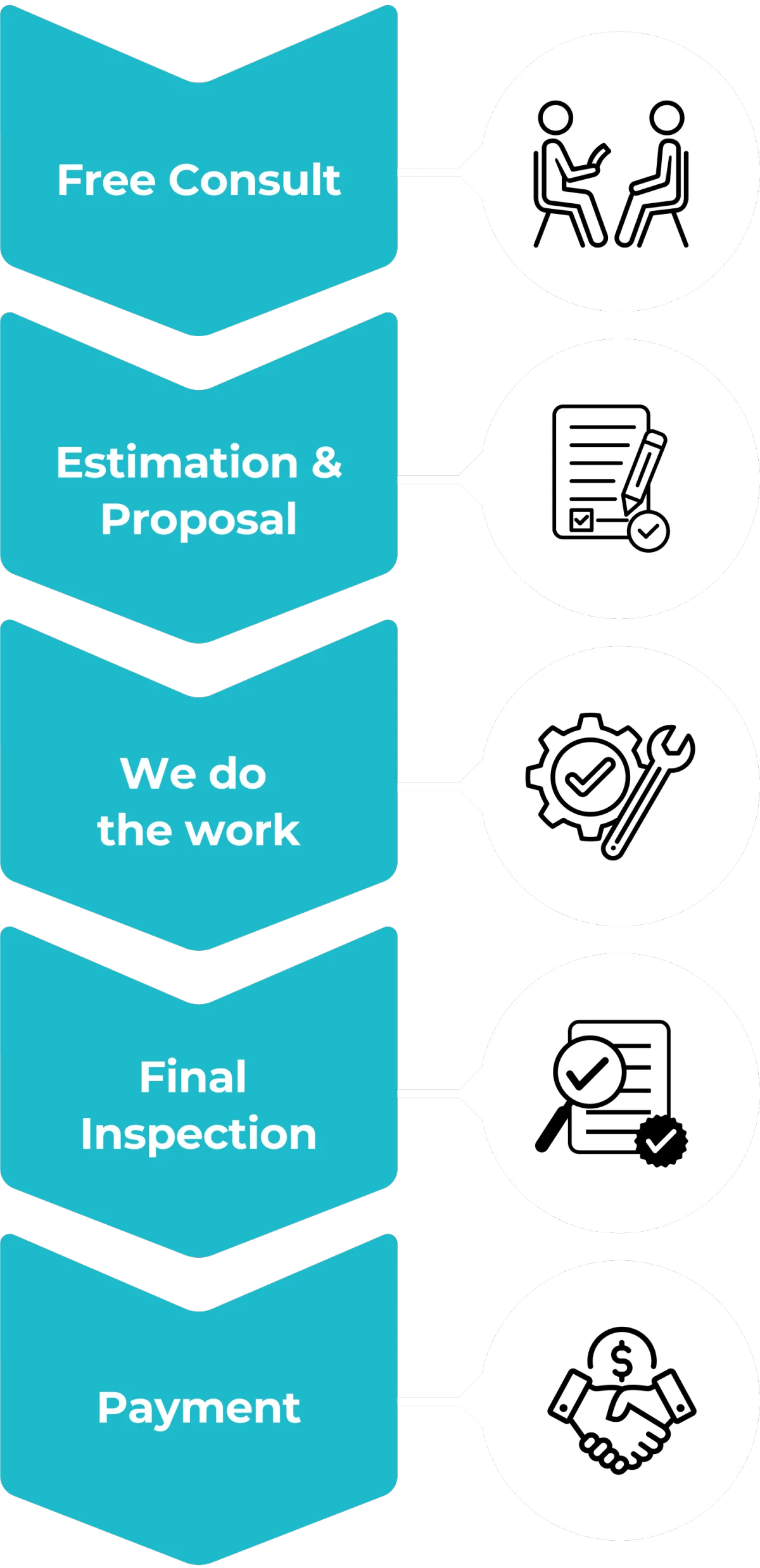
our process
Our process is simple and only contains a few simple steps

READY TO take the next step?
get a free quote TODAY!

